Find contractors in Arizona for underground storage tank installation, fuel system installation, dispenser installation, and piping upgrades. Serving Phoenix, Tucson, Mesa, Flagstaff, and communities statewide.
Tank Installation in Arizona: Permitting, Costs, and Site Conditions
Caliche soil and fast population growth define Arizona's tank installation market. The Phoenix metropolitan area, including Chandler, Gilbert, Surprise, and Goodyear, accounts for the largest share of new fuel system construction as retail and commercial development pushes outward. Tucson generates steady demand from military-adjacent facilities and regional fuel distribution. Along the I-40 corridor, Flagstaff and Kingman see new installations tied to travel center development and tribal enterprise fueling operations. The I-10 corridor between Phoenix and Tucson supports truck stop and fleet fueling projects driven by freight traffic between California and Texas.
A single underground storage tank installation in Arizona typically costs $55,000-$160,000, depending on tank size, material, and site conditions. Multi-tank gas station build-outs with dispensers, canopy, and monitoring systems range from $250,000 to $500,000 or more. Caliche layers in the Phoenix basin often require hydraulic breakers or specialized cutting equipment, adding $3,000-$8,000 to site preparation. The state does not operate a reimbursement fund for installation costs, and permitting fees vary by county.
The state environmental agency administers Arizona's underground storage tank program, and every new system must meet both federal EPA technical requirements and state-specific permitting before excavation begins. Under A.R.S. 49-1082, tank installation must be done by, or under the on-site supervision of, a tank service provider certified by ADEQ. All new UST systems in Arizona must include secondary containment, interstitial monitoring, and spill prevention equipment as part of the installation package. Arizona's lack of a state fuel tax exemption for certain vehicle classes means virtually every commercial fleet operates taxable fuel infrastructure, keeping installation volume consistent. Gas stations, fleet fueling depots, and convenience store chains expanding along Arizona's growing transportation corridors make up nearly all installation demand.
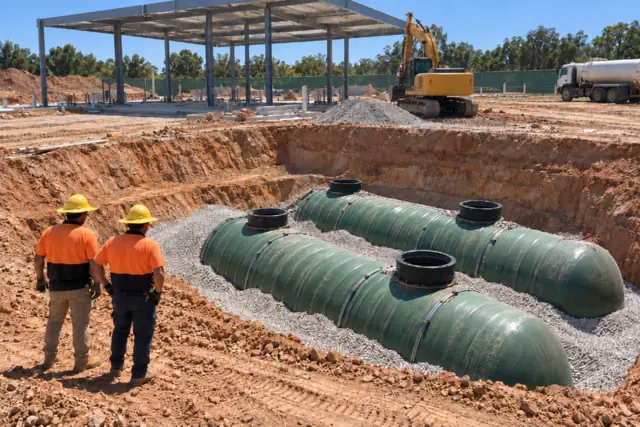
The installation process begins with site engineering, including soil borings, utility location, and a grading plan submitted to the local fire marshal and state environmental agency for review. Permitting takes four to eight weeks in most Arizona jurisdictions. Once approved, excavation, tank placement, backfill, piping connections, and dispenser installation typically take two to four weeks for a standard two-tank system. After physical installation, the system must pass a tightness test and an initial inspection before receiving an operating permit. Before signing a contract, confirm the installer's ADEQ certification, verify they carry pollution liability insurance, and request references from at least two completed Arizona installations within the past three years.
Does Arizona require a license to install underground storage tanks?
Yes. Under A.R.S. 49-1082, UST installation must be done by, or under the on-site supervision of, a person certified by ADEQ as a tank service provider. The tank owner and operator are responsible for meeting Arizona's UST installation standards. Working with an uncertified installer can result in permit denial and force you to re-excavate and reinstall at your own expense. Always verify certification status directly with ADEQ before signing a contract.
How much does it cost to install a new UST system in Arizona?
A single tank installation in Arizona runs $55,000-$160,000 depending on tank capacity, material, and site preparation needs. A full multi-tank gas station build-out with dispensers and monitoring equipment typically falls between $250,000 and $500,000. Caliche soil layers common in the Phoenix basin can increase excavation costs by $3,000-$8,000 compared to sites with standard desert soil. These figures do not include the fuel inventory to fill the tanks or any brand-specific canopy and signage requirements from fuel distributors.
How long does a tank installation project take in Arizona?
Permitting alone takes four to eight weeks in most Arizona counties. Physical construction for a standard two-tank system runs two to four weeks from excavation to final backfill and dispenser connection. Post-installation testing and state inspection add another one to two weeks before you receive an operating permit. A complete project from initial engineering through fuel delivery typically spans three to five months. Delays most often come from permitting backlogs, not construction, so submit applications as early as possible.
How does Arizona's caliche soil affect tank installation?
Caliche is a calcium carbonate hardpan layer found throughout much of central and southern Arizona, particularly in the Phoenix basin and parts of the Tucson valley. Standard excavation equipment cannot cut through dense caliche efficiently, so contractors often need hydraulic breakers or specialized trenching machines. This adds $3,000-$8,000 to site preparation costs compared to installations in loose desert soil. A geotechnical boring before finalizing your project budget will confirm whether caliche is present and how thick the layer is at your specific site. Not every Arizona location has caliche, so do not assume the added cost until soil conditions are confirmed.
What monitoring equipment is required for new UST installations in Arizona?
Every new UST system in Arizona must include secondary containment with interstitial monitoring, automatic tank gauging, and spill and overfill prevention equipment. Line leak detectors are required on all pressurized piping runs. The monitoring system must be capable of detecting a release of 0.2 gallons per hour from piping and must be connected to an audible or visual alarm. Budget $5,000-$15,000 for monitoring equipment depending on the number of tanks and dispenser lines in the system. These requirements apply to all new installations regardless of tank material or fuel type stored.