
Site Assessment Contractors in Hawaii

Find contractors in Hawaii for Phase I ESAs, Phase II investigations, soil sampling, and groundwater testing. Serving Honolulu, Pearl City, Hilo, Kailua, and communities across all islands.

Browse Hawaii Contractors →

What to Know About Site Assessment in Hawaii

Hawaii site assessment protects the freshwater lens aquifer beneath Honolulu and neighbor islands. The Hawaii Department of Health (HDOH) Solid and Hazardous Waste Branch oversees underground storage tank investigations, with the Hazard Evaluation and Emergency Response Office handling release-site cleanups across Oahu, Maui, Kauai, and Hawaii Island. Properties with current or former tanks typically need a Phase I ESA when changing hands, refinancing, or transferring leasehold interests, and the ESA process reviews title chains, fire insurance maps, and DOH spill records before any soil work begins. Commercial buyers acquiring former service stations in Honolulu, plantation-era industrial parcels in Waipahu, or military housing surplus sites near Pearl Harbor trigger this work most often. State regulators do not license individual environmental consultants, but lenders and HDOH expect documentation built to ASTM E1527-21.
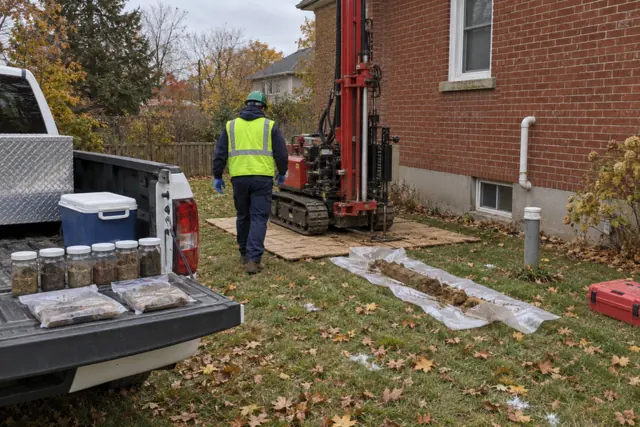
Demand concentrates around Honolulu's urban core, where post-plantation industrial parcels sit on top of decades of fueling history. Pearl City, Waipahu, and Kapolei see the most environmental investigation work tied to former cane and pineapple operations converting to housing or light industrial reuse. On the neighbor islands, Hilo and Kailua-Kona generate steady property assessment volume from gas station closures and resort redevelopment along the Kona coast. The Red Hill fuel facility releases on Oahu in late 2021 sharpened buyer expectations across the state, and lenders now scrutinize any property within mapped groundwater aquifer protection zones. Volcanic basalt, lava tubes, and fractured rock create unpredictable contaminant migration paths that mainland models do not capture, so contamination assessment scopes routinely include extra borings to characterize those pathways.

Phase I ESA pricing in Hawaii typically runs $2,500 to $5,500, higher than mainland averages because of records-research distance and document delivery overhead. Phase II investigations with soil borings range from $5,000 to $18,000, depending on the number of borings, depth to basalt refusal, and laboratory turnaround when samples ship to Oahu or the mainland. Soil sampling per location costs $700 to $2,500, with neighbor-island work adding inter-island freight to mobilize equipment. Groundwater sampling on Oahu requires care because the freshwater lens sits close to surface in some districts, raising costs for monitoring well installation and disposal of investigation-derived waste. Hawaii does not run a traditional petroleum cleanup fund like many mainland states, so property owners absorb investigation costs without state reimbursement under HAR Chapter 11-280.1, which requires release reporting within 24 hours of discovery.

The typical Hawaii ESA process opens with title and DOH database research, followed by a site walk, interviews with current and former occupants, and historical aerial photography review. Phase II work on Oahu and neighbor islands begins only when records or visual evidence suggest a possible release, and includes geophysical scans for buried tanks, soil borings to basalt, and selective groundwater monitoring well installation. Timelines run two to three weeks for Phase I, and four to ten weeks for Phase II ESA work depending on laboratory capacity and how many islands the consultant must mobilize across. Field crews working on suspected contaminated sites must hold current HAZWOPER training, and Hawaii owners should confirm credential dates before signing scope. Before hiring, ask the consultant how many Honolulu, Maui, or Hawaii Island Phase II ESA projects they have closed, request a sample report, and verify they carry pollution legal liability coverage that names you on the certificate.

Site Assessment Contractors in Hawaii

Browse contractors, see contact details, and request free quotes.

Browse Hawaii Contractors →

Frequently Asked Questions

How much does a Phase I ESA cost in Hawaii?

Phase I ESAs in Hawaii typically run $2,500 to $5,500, higher than the $1,500 to $4,000 mainland norm because of records-research logistics and inter-island delivery overhead. Reports for complex commercial sites with multiple tank histories or plantation-era industrial heritage can exceed $6,000. The price covers records review, site walk, occupant interviews, and a written ASTM E1527-21 report. Phase II investigation, if recommended, is priced separately and runs $5,000 to $18,000 depending on borings and laboratory scope.

Does Hawaii license environmental consultants for site assessments?

Hawaii does not require a state license to perform Phase I or Phase II ESAs. The Hawaii Department of Health Solid and Hazardous Waste Branch regulates UST owners and operators rather than the consultants who investigate releases. Lenders, escrow agents, and HDOH staff still expect work signed by a qualified environmental professional under ASTM E1527-21, which sets minimum education, experience, and credential thresholds for the lead author. Field crews working on potentially contaminated soil should hold current OSHA HAZWOPER credentials. Hawaii buyers should verify professional liability and pollution coverage before signing a scope of work.

How long does a Phase I ESA take in Hawaii?

A standard Phase I ESA in Hawaii typically takes two to three weeks from authorization to delivered report. Records research can run longer than mainland equivalents because some plantation-era files sit in archives at the Hawaii State Archives or county recorder offices. Site walks on Oahu are usually one day, while neighbor-island work adds a travel day to mobilize the assessor. If aerial photographs from the 1940s plantation era or Sanborn maps reveal historical fueling, the report timeline can stretch another week. Rush turnaround for closing pressure is sometimes possible at a 25 to 40 percent premium.

Why does Hawaii treat groundwater contamination so seriously?

Hawaii's drinking water comes almost entirely from underground freshwater lens aquifers, with no major rivers or imported water to fall back on. Honolulu's Board of Water Supply system draws from the Pearl Harbor and Honolulu aquifer systems sitting beneath densely developed urban areas. The Red Hill fuel facility releases in late 2021 contaminated a Navy drinking water system serving roughly 93,000 people. That incident sharpened regulator and lender attention statewide. Properties within Underground Injection Control line or aquifer protection zones face stricter sampling requirements during environmental investigation. Buyers in those zones should expect deeper boring depths and groundwater sampling even on routine commercial transactions.

What triggers a Phase II ESA after a Phase I in Hawaii?

Phase II is recommended when the Phase I identifies a recognized environmental condition, often called a REC. Common Hawaii triggers include former service stations, plantation fueling depots, dry cleaners, and any parcel with historical drum storage or unexplained staining. The consultant then proposes a sampling plan with the number and depth of borings needed, plus any groundwater monitoring well installations. Property owners should expect Phase II costs of $5,000 to $18,000 once the scope is set.

Looking for a contractor in Hawaii?

Browse contractors, see contact details, and request free quotes.

Browse Hawaii Contractors →

For Hawaii UST regulations, visit the Hawaii DOH Solid and Hazardous Waste Branch. Federal requirements are available from the EPA UST Program.

Related Services in Hawaii

Find Hawaii ContractorsRequest a Free Quote
Free Quotes