Environmental Remediation Companies in South Carolina
Soil excavation and groundwater treatment in Charleston, Columbia, Greenville, and Spartanburg. Free quotes from SCDES certified South Carolina UST remediation contractors.
What to Know About UST Remediation in South Carolina
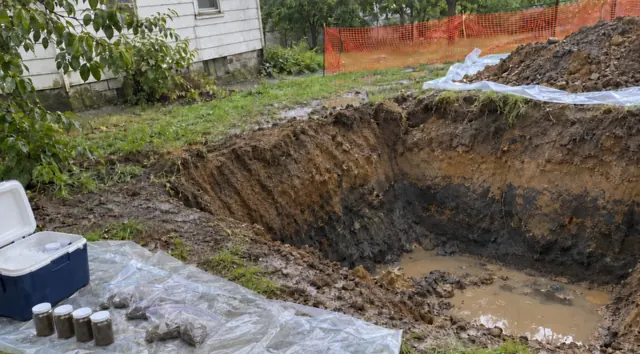
UST remediation in South Carolina demands fast action under SCDES oversight. Once a release is confirmed, contractors must report contamination within 24 hours and begin response measures to keep the plume from spreading further. Most cleanups start with an environmental evaluation that defines the contamination footprint before excavation begins. Work that follows ranges from soil excavation and offsite disposal to long-term groundwater monitoring depending on plume size. South Carolina's coastal aquifers and clay-heavy Piedmont soils each present different cleanup challenges that affect both timeline and budget.
Remediation projects in Charleston, Columbia, and Greenville often run several months because of high water tables and dense clay layers that slow plume migration. Coastal sites near Charleston and Mount Pleasant deal with brackish groundwater that complicates treatment system design and waste characterization. Inland projects in Spartanburg and Rock Hill commonly require deeper excavation through saprolite to reach contaminated zones below the weathered bedrock interface. Myrtle Beach and Hilton Head Island sites face additional complexity from tourist-season work restrictions and proximity to environmentally sensitive areas. Smaller markets like Sumter and Florence still see active cleanups tied to legacy gas station closures and former bulk plant properties.
Costs vary widely depending on contamination depth, plume size, and the treatment method SCDES will accept. A simple soil excavation and offsite disposal project on a small gas station footprint typically runs $35,000 to $90,000 in South Carolina. Adding groundwater treatment, monitoring well networks, and quarterly sampling can push total project costs into the $150,000 to $400,000 range over multiple years. Larger sites with dissolved-phase plumes that have migrated offsite or impacted drinking water sources can exceed $750,000 once long-term monitoring and reporting are factored in. Most of these costs are eligible for reimbursement through the South Carolina SUPERB Fund if the tank owner registered and remained in good standing with SCDES at the time of release. The owner pays a share per occurrence under S.C. Code Ann. 44-2-40, with combined coverage up to $1,000,000.
Hiring a qualified contractor matters more than chasing the lowest bid because mistakes during cleanup often double the final cost. Look for firms whose field crews carry current HAZWOPER training under 29 CFR 1910.120 and whose project managers have closed sites under the same SCDES regional office overseeing your Lowcountry, Upstate, or Piedmont property. Ask for three recent No Further Action letters from comparable Charleston, Columbia, or Greenville sites and call those previous clients directly to confirm timelines and budget accuracy. Verify insurance limits cover both pollution liability and contractor errors before signing, since underinsured firms can leave you exposed if disposal manifests come back wrong. Request itemized estimates that separate excavation, transport, disposal, and reporting costs so you can compare bids on equal terms.
South Carolina contractors for environmental remediation
How long does UST remediation take in South Carolina?
Timeline depends on contamination type and depth, but most South Carolina cleanups span 6 months to 3 years from confirmed release to No Further Action letter. Soil-only contamination caught early can sometimes close within a single field season if excavation removes the source material completely. Dissolved-phase groundwater plumes typically require multi-year monitoring even after active treatment ends because SCDES wants to confirm contaminant levels stay below action limits. Coastal sites and properties near drinking water wells often face extended timelines due to additional sampling requirements. Working with a contractor who has closed similar sites in your SCDES region tends to speed approval substantially. When you compare quotes from soil remediation companies in South Carolina, make sure each one covers excavation, soil disposal, backfill, and the confirmation sampling needed to close the case.
Who pays for UST cleanup in South Carolina?
The South Carolina SUPERB Fund reimburses eligible tank owners for cleanup costs above a deductible, provided the tank was registered and the owner paid required fees. S.C. Code Ann. 44-2-40 sets an owner share per occurrence for releases reported after July 1, 1993, with combined coverage capped above it. Coverage limits and reimbursement percentages depend on when the release occurred and whether the owner met operational compliance requirements at that time. Owners of unregistered tanks or those who failed to report releases promptly may face full out-of-pocket costs. Banks and insurers sometimes require additional cleanup beyond SCDES minimums during property transactions, and those costs typically fall on the seller. Confirm Superb Fund eligibility with SCDES before signing any remediation contract.
What contaminants come up most often at South Carolina UST sites?
Petroleum hydrocarbons including BTEX compounds, MTBE, and total petroleum hydrocarbons are the most common contaminants at South Carolina UST release sites. Older tanks that held diesel or heating oil also leave behind polycyclic aromatic hydrocarbons that require different analytical methods and disposal pathways. Sites that stored leaded gasoline before the 1990s sometimes show residual lead contamination in soil within the immediate tank footprint. Used oil tanks at former mechanic shops can release a wider range of chemicals including chlorinated solvents that complicate cleanup substantially. Lab analysis confirms which compounds are present and dictates the cleanup approach SCDES will accept.
Do I need a licensed contractor for UST remediation in South Carolina?
Yes, anyone performing UST closure or corrective action work in South Carolina must be a SCDES certified UST contractor with appropriate classification for the scope of work. Site assessment, excavation, transportation, and groundwater treatment each carry specific certification requirements that contractors must maintain through continuing education. Hiring an uncertified contractor can void Superb Fund coverage and force you to redo the work with a qualified firm. Always verify a contractor's current SCDES certification status before signing a contract or paying mobilization fees. The SCDES website lists active certifications by company name and certification number.
What happens if contamination has spread off my property?
Off-site contamination triggers expanded notification requirements where SCDES requires you to inform affected property owners and any users of nearby drinking water wells. Plume delineation work must extend until the contamination footprint is fully characterized, which can mean drilling monitoring wells on neighboring properties with their permission. Treatment options shift toward containment and gradient control rather than simple excavation when the plume crosses property lines. Legal liability for off-site impacts can outlast the cleanup itself, so document every decision with SCDES and keep records of all sampling and disposal manifests. Engaging an environmental attorney early is wise when neighboring properties are affected.