
Environmental Remediation Contractors in Pennsylvania

Find Pennsylvania contractors for environmental remediation, Act 2 site closure, soil cleanup, and groundwater treatment. Serving Philadelphia, Pittsburgh, Allentown, Erie, and Scranton.

Browse Pennsylvania Contractors →

What to Know About UST Remediation in Pennsylvania

Pennsylvania UST remediation contractors must follow Act 32 and the Act 2 cleanup standards. The Department of Environmental Protection's Storage Tanks program enforces the Pennsylvania Storage Tank and Spill Prevention Act of 1989 alongside 25 Pa. Code Chapter 245, which sets installer and inspector certification categories. Site cleanup itself runs through Act 2, the Land Recycling Program codified at 25 Pa. Code Chapter 250, with three remediation standards: Background, Statewide Health, and Site-Specific. Most projects begin with a property assessment so owners understand historical UST use before any borings are advanced. DEP's Storage Tank Cleanup Program coordinates corrective action at confirmed petroleum release sites statewide.
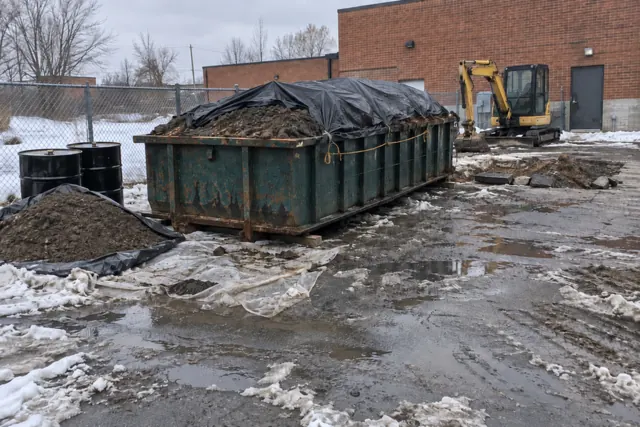
Remediation work clusters around five population centers and the legacy industrial belt. Philadelphia and the surrounding Bucks, Delaware, and Montgomery County corridor generate the heaviest volume from former service stations and rail yards along the Delaware River. Pittsburgh and the Mon Valley still produce frequent commercial UST closures tied to former steel mills and fueling depots in Allegheny and Westmoreland Counties. Allentown, Bethlehem, and Reading drive Lehigh Valley work as warehouse redevelopment overtakes old industrial parcels, while Scranton and Wilkes-Barre handle anthracite-region heating oil tank conversions. Erie's lakefront and the Harrisburg Capitol Complex round out steady public-sector property transfers, and the PA DEP Storage Tanks program runs casework out of six regional offices spread across the state.

Pennsylvania UST remediation costs typically fall between $12,000 and $80,000 for moderate contamination at a single-tank parcel. Residential heating oil tank closures with limited impact run $4,500 to $15,000 once certified soil disposal is included, common across older Philadelphia row homes and Scranton-area neighborhoods. Commercial gas station cleanups commonly land at $30,000 to $150,000, while chlorinated solvent or free-product plumes near the Mon Valley or Marcus Hook can exceed $400,000 once groundwater treatment is required. The Underground Storage Tank Indemnification Fund reimburses eligible owners after a tier-based deductible ranging from $5,000 to $10,000 depending on registration status and tank-fee compliance. Monitoring well installation, lab analytics, and quarterly groundwater sampling layer in another $1,800 to $9,000 per round. See how site cleanup works for method-selection drivers like contaminant type and depth to groundwater.

A typical Pennsylvania project starts with release notification to DEP within 24 hours, followed by site characterization and an Act 2 Notice of Intent to Remediate. The contractor selects which of the three Act 2 standards the cleanup will target, then submits a Remedial Investigation Report and Cleanup Plan tracking 40 CFR 280 federal UST requirements. Field work and confirmation sampling follow, with a Final Report submitted to DEP for liability protection that typically arrives within six to twelve months. Confirm the contractor holds DEP company certification under Chapter 245 and that field crews carry valid hazardous materials training credentials before mobilizing. Before signing a contract, request the firm's last three Act 2 release-of-liability letters, ask which DEP regional office will review the case, and confirm in writing who handles USTIF claim filing and reimbursement paperwork.

remediation Contractors in Pennsylvania

Browse contractors, see contact details, and request free quotes.

Browse Pennsylvania Contractors →

Frequently Asked Questions

Does Pennsylvania require contractors to be certified for UST remediation work?

Yes, under 25 Pa. Code Chapter 245, both the company and the individuals performing tank handling, installation, removal, or inspection must hold DEP certification in the appropriate category. Cleanup activities tied to a confirmed release must be directed by a contractor with the relevant Storage Tanks certifications and supported by a Pennsylvania-licensed Professional Geologist or Professional Engineer for the Act 2 sign-off. Lapsed certification blocks USTIF reimbursement for work performed during the lapse. Always ask for the certification number and verify it through DEP's online Storage Tanks lookup before signing.

How much does UST remediation cost in Pennsylvania?

Most Pennsylvania sites land between $12,000 and $80,000 for moderate contamination requiring soil excavation and certified offsite disposal. Residential heating oil tank closures with clean confirmation sampling can come in at $4,500 to $15,000, while gas station cleanups generally fall in the $30,000 to $150,000 range. Larger commercial sites in the Mon Valley or near Marcus Hook can pass $400,000 once groundwater treatment is required. USTIF reimburses eligible owners after the program deductible, so net out-of-pocket cost depends heavily on registration status and prior compliance.

How long does an Act 2 cleanup take in Pennsylvania?

Plan on six to twelve months from final field sampling to receiving DEP's release of liability under Act 2. Field excavation on smaller sites usually wraps in two to six weeks, with the calendar mostly tied up in lab turnaround, public notice (when required), and DEP review. Groundwater plumes targeting the Statewide Health or Site-Specific standards can stay open for two to five years of monitoring before closure becomes possible. Soil-only Background standard cases typically close considerably faster than groundwater-impacted ones.

What does USTIF cover for a Pennsylvania tank release?

The Underground Storage Tank Indemnification Fund reimburses eligible corrective action and third-party liability costs at regulated petroleum tank sites, up to per-incident program caps. Eligibility requires current tank registration, paid USTIF fees, and timely release reporting to DEP. The deductible ranges from $5,000 to $10,000 depending on tank size and compliance status. USTIF does not cover voluntary upgrades, work performed before release notification, or contamination tied to non-regulated tanks. Reimbursement payment usually arrives months after invoice submission.

What are the three Act 2 remediation standards in Pennsylvania?

Pennsylvania's Act 2 program offers three cleanup pathways under 25 Pa. Code Chapter 250. The Background standard requires returning the site to natural concentrations and is rare outside pristine settings. The Statewide Health standard sets numeric concentration limits that work for most petroleum sites. The Site-Specific standard uses risk-based modeling tied to actual exposure pathways and is common on industrial parcels with limited future receptors. The contractor and consultant select the standard that fits the site economics and intended end use.

Looking for a contractor in Pennsylvania?

Browse contractors, see contact details, and request free quotes.

Browse Pennsylvania Contractors →

For Pennsylvania UST regulations, visit the PA DEP Storage Tanks. Federal requirements are available from the EPA UST Program.

Related Services in Pennsylvania

Find Pennsylvania ContractorsRequest a Free Quote
Free Quotes