Site Assessment Contractors in New York

Find contractors in New York for environmental site assessment, Phase I ESA, Phase II ESA, soil testing, and groundwater investigation. Serving Manhattan, Brooklyn, Buffalo, Rochester, and communities statewide.

Browse New York Contractors →

What to Know About Site Assessment in New York

New York demands rigorous site assessment work because of dense urban redevelopment pressure. The New York State Department of Environmental Conservation (NYSDEC) oversees underground storage tank registration, closure, and release reporting through its Petroleum Bulk Storage program codified at 6 NYCRR Part 613. Commercial properties with current or former USTs almost always require an environmental investigation before sale, refinancing, or zoning change, and Phase II subsurface investigation follows when records review surfaces fuel station, dry cleaner, or industrial operations on the parcel. New York City heating oil conversion mandates have driven sustained demand for residential Phase II testing across Brooklyn and Queens, particularly where buildings switched from #6 oil to natural gas. Investigation work also feeds the state's Brownfield Cleanup Program, which returns former industrial parcels to productive use.
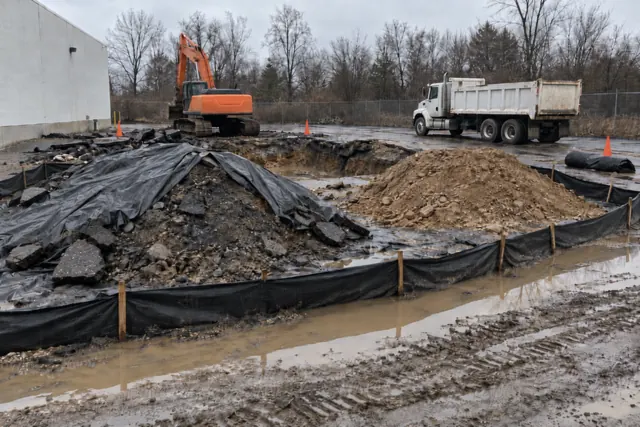
Demand is heaviest in New York City, where commercial real estate volume drives Phase I and Phase II ESA work across all five boroughs. Brooklyn industrial conversions, Queens redevelopment, and Bronx warehouse-to-residential projects keep environmental consultants booked, with former gas stations and oil terminals as the most common targets. Long Island assessments are dominated by Nassau and Suffolk County properties tied to legacy auto repair shops, dry cleaners, and underground heating oil tanks. Upstate, Buffalo and Rochester see steady brownfield work tied to the rust belt manufacturing legacy, while Albany, the Capital Region, and the Hudson Valley generate transactions on farm parcels, former rail yards, and small-town gas station closures. Syracuse and the Finger Lakes round out a market where geography matters as much as building type.

Phase I ESAs in New York generally run $2,000 to $5,000, with downstate Manhattan and Brooklyn properties at the upper end because of higher consultant overhead and complex title histories. A Phase II investigation involving soil borings, groundwater monitoring wells, and laboratory analysis ranges from $5,000 to $18,000 for typical commercial sites. Large industrial parcels in Queens or the Hudson Valley can climb past $30,000, scaling with boring count, depth to groundwater, and whether vapor intrusion testing is included. Unlike Pennsylvania or Illinois, New York operates no state cleanup fund for petroleum releases, leaving owners to cover environmental investigation and remediation through private pollution insurance. The NYSDEC Petroleum Bulk Storage program handles release reporting, while redevelopment work on former industrial parcels may earn Brownfield Cleanup Program tax credits.

The typical New York process starts with a Phase I records review of Sanborn maps, NYSDEC spill reports, and prior environmental filings. A site walkthrough and interviews with current and former occupants follow. If recognized environmental conditions appear, a Phase II subsurface investigation is scoped around suspected source areas with soil borings, monitoring well installation, and lab analysis at NELAP-accredited facilities. Westchester and Rockland County properties along the Hudson Valley often require additional vapor intrusion screening because of dense residential overlay on legacy industrial sites. Before signing a contract, property owners should ask consultants to confirm ASTM E1527-21 compliance and NELAP-accredited lab partnerships, and verify the field crew holds current hazardous materials training and that professional liability coverage matches parcel value.

Site Assessment Contractors in New York

Browse contractors, see contact details, and request free quotes.

Browse New York Contractors →

Frequently Asked Questions

How much does a Phase I ESA cost in New York?

Phase I ESAs in New York typically run $2,000 to $5,000. Manhattan and Brooklyn properties land at the upper end because of higher consultant rates and complex title histories. Smaller upstate parcels in Syracuse or Binghamton come in closer to $1,800 to $3,200. Phase II investigations with soil borings and groundwater wells start around $5,000 and can exceed $30,000 for industrial sites. Final pricing depends on parcel size, suspected contaminants, and the boring count proposed after the records review.

Do site assessment contractors need to be licensed in New York?

New York does not issue a dedicated environmental site assessment license, but consultants performing UST investigation work must follow NYSDEC documentation rules and chain of custody on all samples under 6 NYCRR Part 613. Soil borings and monitoring well installation typically require a New York Professional Engineer or licensed driller depending on scope, with laboratory analysis routed through NELAP-accredited facilities. Property owners should verify professional liability insurance and confirm ASTM E1527-21 compliance for Phase I deliverables. Most lenders maintain approved consultant lists that further filter qualified providers.

How long does an environmental site assessment take in New York?

A standard Phase I ESA runs 2 to 4 weeks from contract signing to final report, including the records review, NYSDEC spill database request, site walkthrough, and historical interviews. Phase II investigations stretch the timeline another 6 to 10 weeks because of drilling permits, lab turnaround, and any vapor intrusion screening. Winter access in the Finger Lakes, Adirondacks, and North Country can push Phase II fieldwork into spring. Building lender deadlines into the engagement timeline upfront prevents late-stage scope renegotiation.

Does New York offer a state fund to cover petroleum cleanup or assessment costs?

No. Unlike Pennsylvania's USTIF or Illinois's LUST Trust Fund, New York has no state-administered cleanup reimbursement program for private property owners with petroleum releases. Owners pay environmental investigation and remediation costs directly or through private pollution insurance. The Brownfield Cleanup Program does provide tax credits for qualifying redevelopment on contaminated parcels, and the Environmental Restoration Program supports municipal cleanup work on state-owned and municipal sites.

What happens during a Phase II ESA in New York?

A Phase II investigation begins with a sampling plan targeting recognized environmental conditions from the Phase I report, often suspected gasoline release zones or historical fill areas in Brooklyn industrial corridors or Long Island commercial parcels. Crews drill soil borings, install groundwater monitoring wells, and collect samples for laboratory analysis at NELAP-accredited facilities. Vapor intrusion sampling may follow on properties with planned residential occupancy. Results compare contaminant concentrations to NYSDEC soil cleanup objectives across unrestricted, residential, commercial, and industrial categories.

Looking for a contractor in New York?

Browse contractors, see contact details, and request free quotes.

Browse New York Contractors →

For New York UST regulations, visit the New York Department of Environmental Conservation. Federal requirements are available from the EPA UST Program.

Related Services in New York

Find New York ContractorsRequest a Free Quote
Free Quotes