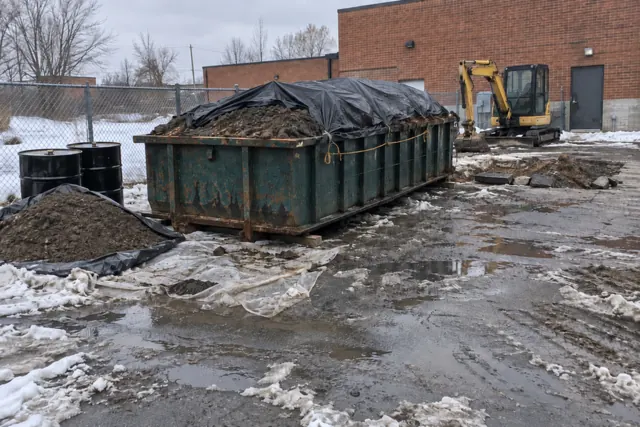
Soil cleanup, groundwater treatment, and site closure for Indiana tank releases in Indianapolis, Fort Wayne, Evansville, and South Bend
What to Know About UST Remediation in Indiana
IDEM regulates Indiana UST remediation through its Risk Integrated System of Closure (RISC) framework. After a release surfaces during tank removal or routine monitoring, owners must notify IDEM within 24 hours and follow RISC corrective action procedures from initial characterization through site closure. Most projects begin with a Phase I ESA to confirm release boundaries and define cleanup goals. Field crews collect soil borings, install groundwater monitoring wells, and screen vapors to drive the remedial design. Skipping that diagnostic step almost always leads to scope creep and rejected closure applications later.
Cleanup conditions vary widely across Indiana, so the contractor's local knowledge matters. In Indianapolis, urban infill sites often involve buried utilities, neighboring properties, and shallow groundwater that complicate excavation. Fort Wayne and Evansville projects frequently sit on fine-grained tills where contamination spreads slowly but takes longer to flush. South Bend and Lafayette sites tend to face fractured bedrock conditions that demand more monitoring wells and extended treatment timelines. A contractor who has worked across multiple Indiana counties usually anticipates these subsurface differences before the first excavator arrives.
Remediation costs in Indiana typically range from $25,000 for a simple soil excavation to over $400,000 for projects with a documented groundwater plume. A straightforward dig-and-haul cleanup of 50 to 150 tons of contaminated soil usually runs $15,000 to $60,000 including landfill disposal fees. Groundwater treatment systems such as air sparging, dual-phase extraction, or in-situ chemical oxidation add $50,000 to $250,000 depending on plume size and treatment duration. The Indiana Excess Liability Trust Fund reimburses eligible owners up to $1,000,000 per release after a $15,000 deductible, but only for IDEM-approved costs and pre-authorized scopes. The figure comes from the state's own rule. Contractors who bill outside the approved scope leave owners holding the difference.
Field workers handling petroleum-impacted soil and groundwater must hold current HAZWOPER training and document their 8-hour annual refreshers under OSHA 29 CFR 1910.120. Indiana also requires that a licensed professional geologist or engineer sign off on the corrective action plan and final closure report before IDEM accepts the site for No Further Action. Smaller crews sometimes try to subcontract the licensed sign-off, which works but adds review cycles and delays. Before signing a contract, ask the firm for three Indiana NFA letters from the past 24 months and the name of the licensed professional who will stamp your reports. Also request a written estimate that breaks out ELTF-eligible versus non-eligible costs. That combination tells you whether you are hiring a real Indiana remediation contractor or a generic excavator hoping the work gets approved.
How long does a typical UST remediation project take in Indiana?
Simple soil-only cleanups in Indiana usually wrap up in 30 to 90 days from excavation through IDEM closure paperwork. Projects with groundwater impact run 18 months to 5 years depending on plume size, treatment technology, and post-treatment monitoring requirements. IDEM expects a corrective action plan within 90 days of confirming a release, and most plan reviews take another 60 to 120 days. Sites in glacial till tend to take longer because contaminants migrate slowly and rebound after active treatment stops. Build the regulatory review windows into your schedule from day one.
Does the Indiana ELTF cover all remediation costs?
The Excess Liability Trust Fund covers eligible costs up to $1,000,000 per release after the owner pays a $15,000 deductible. The figure comes from the state's own rule. Eligibility requires that the tank was registered, fees were paid, and the release was reported within IDEM deadlines. Items like equipment overruns, work outside the approved scope, and third-party damages typically fall outside coverage. Owners must use ELTF-approved contractors and submit invoices that match the pre-authorized work plan exactly. Plan to front the deductible and any non-eligible costs before reimbursement arrives. When you compare quotes from soil remediation companies in Indiana, make sure each one covers excavation, soil disposal, backfill, and the confirmation sampling needed to close the case.
What contamination thresholds trigger remediation in Indiana?
IDEM uses Risk Integrated System of Closure screening levels that vary by land use, depth to water, and groundwater proximity. Residential closure standards are stricter than commercial or industrial standards because exposure pathways are different. Common screening levels include 230 mg/kg for total petroleum hydrocarbons in residential soil and 5 ppb for benzene in groundwater. Concentrations above these levels usually require active cleanup or a recorded deed restriction with engineered controls. A licensed professional must compare site data to the RISC tables before recommending the closure path.
Can I leave contamination in place under an Indiana environmental restrictive covenant?
Yes, IDEM accepts risk-based closure with engineered controls and environmental restrictive covenants when active cleanup is impractical. The covenant runs with the land and limits future use, such as prohibiting residential redevelopment or restricting installation of new groundwater wells. The property owner records the covenant with the county recorder, and IDEM tracks it in the state ERC database. Future buyers, lenders, and insurers will see the restriction during due diligence, which can affect property value. Many owners still choose this path because it is faster and cheaper than full active remediation.
What credentials should an Indiana UST remediation contractor hold?
Indiana does not issue a single UST remediation license, so look for a combination of credentials on the firm's roster. The contractor should employ at least one licensed professional geologist or professional engineer who can sign IDEM submittals. Field staff should carry current 40-hour HAZWOPER training plus the 8-hour annual refreshers required for petroleum cleanup work. Many firms also hold IDEM-recognized installer or remover certifications and asbestos abatement licenses for piping demolition. Ask for written proof of all credentials before signing a contract, especially the name and license number of the professional who will stamp your reports.