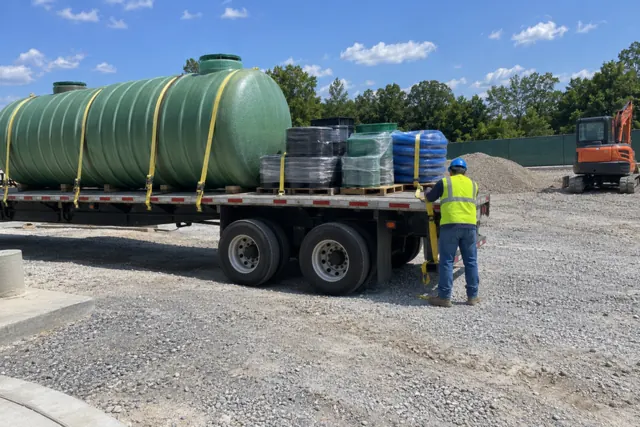
Find contractors in Colorado for underground storage tank installation, fuel system installation, dispenser installation, and piping upgrades. Serving Denver, Colorado Springs, Fort Collins, Pueblo, and communities statewide.
Front Range Growth, Semi-Arid Soils, and UST Installation Costs in Colorado
Tank installation in Colorado centers on Front Range growth and semi-arid soil conditions. A single-tank project here runs $50,000 to $150,000. Population growth from Denver through Fort Collins drives new gas station construction and fleet facility expansion across the corridor. Denver, Colorado Springs, and Fort Collins account for the largest share of new UST projects in the state. Smaller cities like Pueblo and Grand Junction see steady activity tied to transportation routes and energy sector operations. Greeley and the northern Front Range have added fueling infrastructure to support agricultural and oil field logistics, while convenience store chains expanding into growing suburbs create a steady pipeline of new installations statewide.
A single underground storage tank install in Colorado typically runs $50,000 to $150,000, depending on tank size, material, and site conditions. Multi-tank gas station build-outs with dispensers, piping, and monitoring systems range from $250,000 to $500,000 or more. Colorado's semi-arid soil conditions can reduce excavation costs compared to states with high water tables or rocky substrates. Front Range clay soils sometimes require engineered backfill that adds $5,000 to $20,000. The state's Petroleum Storage Tank Fund may cover eligible cleanup costs if contamination is discovered during excavation for a replacement tank.
Every new underground storage tank placed in Colorado must get a state permit and pass a pre-operational inspection before it can accept fuel, and it must be registered once in use. The state's petroleum storage tank program oversees these steps from application through final approval. The owner needs an approved OPS installation permit before construction and must register the tanks within 30 days of first use, and the state conducts an inspection before the system goes live. Colorado's regulatory framework covers both USTs and aboveground storage tanks under a single program, which means installers working on fuel systems need to understand requirements for both tank types. Gas stations, fleet fueling facilities, and fuel distributors across the state all fall under these rules.
The permitting and engineering phase typically takes four to eight weeks, covering site engineering, soil borings, utility locates, and tank pit design. Physical work on a single tank system runs two to four weeks, with multi-tank projects taking six weeks or longer. After the tanks are in place, the state conducts an inspection and the system must pass tightness testing before it can operate. Pollution liability insurance is worth confirming before signing any contract, since standard CGL policies have excluded pollution events since 1986. If your site is on the Front Range, factor in an extra $5,000 to $20,000 for engineered backfill when comparing bids across contractors.
Do I need a specific license to install underground storage tanks in Colorado?
Colorado requires UST tanks and piping to be installed by an installer certified by the Division of Oil and Public Safety. The owner must register the tank system with the state within 30 days of first use, and the work must meet the technical standards in 7 CCR 1101-14. The state inspects every new installation before it can accept fuel. Contractors should also carry pollution legal liability insurance. Working with a contractor who has completed multiple Colorado installations reduces the risk of permit delays or failed inspections.
How much does it cost to install an underground storage tank in Colorado?
A single UST install in Colorado typically costs between $50,000 and $150,000, covering the tank, excavation, piping, and monitoring equipment. Full gas station build-outs with multiple tanks and dispensers range from $250,000 to $500,000 or higher. Monitoring systems add $5,000 to $15,000 per tank. Site-specific factors like clay soil on the Front Range or limited access in mountain communities can push costs toward the higher end of these ranges. Always request itemized bids so you can see what you are paying for tank supply versus labor versus permitting.
How long does UST installation take from start to finish in Colorado?
Plan for three to five months from initial engineering to an operational fuel system. The permitting and design phase alone takes four to eight weeks in most Colorado jurisdictions. Physical work runs two to four weeks for a single tank and six weeks or more for multi-tank projects. After the system is in place, state inspection and tightness testing add another one to two weeks before fuel can flow. Winter projects at higher elevations may take longer because frozen ground conditions limit excavation windows between November and March.
How does Colorado's semi-arid climate affect tank installation projects?
Colorado's dry conditions offer some advantages for installing new fuel systems. Low water tables across much of the state mean contractors rarely need dewatering equipment during excavation, which saves time and money. Petroleum that does reach soil in arid environments tends to persist longer because there is less natural flushing from rainfall, making containment and monitoring systems more important from day one. Front Range clay soils expand and contract with moisture changes, so engineered backfill around the tank is often required to prevent shifting. Mountain installations above 7,000 feet face shorter construction seasons and freeze depth that can exceed four feet, requiring deeper utility connections.
What monitoring systems are required for new UST installations in Colorado?
All new underground storage tanks in Colorado must include secondary containment and interstitial monitoring as required by federal EPA rules updated in 2015. This means double-wall tanks with sensors that detect product between the inner and outer walls. Piping must also be double-wall with leak detection at sumps and transition points. Automatic tank gauging systems are standard for inventory control and leak detection on new builds. The monitoring equipment must be tested during commissioning and maintained on an ongoing schedule, with records available for state inspection at any time.