
Tank Inspection & Testing Contractors in Kentucky
Find contractors in Kentucky for tank tightness testing, UST compliance inspection, and leak detection. Serving Louisville, Lexington, Bowling Green, Owensboro, and communities statewide.
What to Know About Oil Tank Inspection & Testing in Kentucky
Bluegrass commercial fleets and fuel terminals shape Kentucky tank testing and inspection requirements. The Kentucky Energy and Environment Cabinet oversees underground storage tank compliance, requiring registered facilities to complete tank tightness tests and release detection checks on a fixed schedule. Gas stations, fleet yards, and fuel distribution terminals across the Bluegrass region carry most of this inspection workload, since residential heating oil tanks are rare in the state. Owners preparing a commercial property transfer often pair a routine inspection with a Phase I ESA to document tank condition before the deal closes. Facilities that skip required testing risk financial penalties and the loss of eligibility for state reimbursement programs that offset cleanup costs. Testing frequencies build on the federal release detection rules in 40 CFR 280 subpart D.
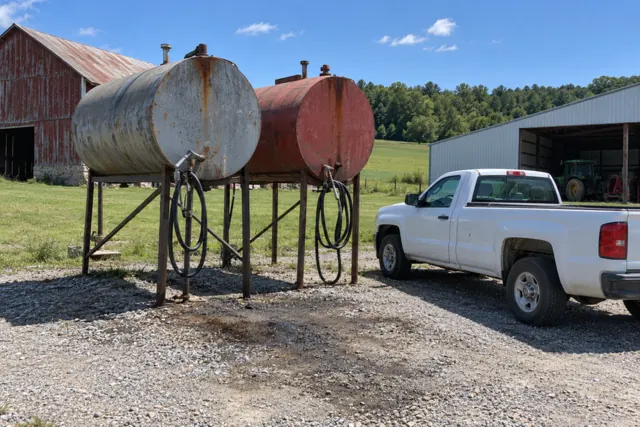
Demand for UST compliance inspection clusters where Kentucky's fuel volume is highest. Louisville moves the most petroleum in the state through its Ohio River terminals and interstate fueling corridors, while Lexington and Bowling Green anchor dense commercial fleet networks. Owensboro and Covington add river-port industrial sites where older steel tanks need frequent leak detection and integrity testing. The Western Coal Field and Appalachian counties still operate aging single-wall systems that demand closer monitoring than newer double-wall installations. Because these sites are spread from urban truck stops to remote Appalachian stations, Kentucky inspection contractors often cover wide rural service areas between jobs.
Tank tightness testing in Kentucky typically runs $500 to $2,000 per tank, with price driven by tank count, size, and site access. A full UST compliance inspection covering release detection, spill and overfill equipment, and corrosion protection generally costs $1,000 to $3,000, while line testing adds $300 to $800 per run. Multi-tank sites and tight-access facilities in older Louisville and Covington locations push toward the upper end of those ranges. Kentucky's Petroleum Storage Tank Environmental Assurance Fund, known as PSTEAF, may reimburse eligible cleanup costs tied to releases confirmed during testing, subject to the state UST program rules. Integrity testing for tanks flagged in earlier inspections can carry separate engineering and reporting fees.
The Kentucky inspection process starts with scheduling a certified tester before compliance deadlines lapse. A technician runs the tightness or line test, records release detection data, and files documented results with the Kentucky Energy and Environment Cabinet. Most routine inspections finish in a single day, though tanks flagged for integrity testing may need follow-up sampling that takes one to three weeks. Reputable crews working around petroleum systems and contaminated soil hold current HAZWOPER training for hazardous materials work and keep their testing equipment calibrated to current standards. Before hiring, Kentucky owners should ask contractors to confirm certifications and Kentucky UST filing experience, and insist on written documentation of every test result for future fund claims.
Need gauging documentation? You can generate a compliance strapping chart or confirm capacity with our free tank volume calculator.
Tank Inspection & Testing Contractors in Kentucky
Browse contractors, see contact details, and request free quotes.
Browse Kentucky Contractors →Frequently Asked Questions
Do tank testing contractors in Kentucky need to be certified?
Yes, Kentucky requires UST testing to be performed by individuals certified under the state fire marshal program. The tester must use approved methods for tank tightness and line testing, and results carry regulatory weight only when filed by a recognized contractor. Many crews also maintain HAZWOPER and equipment manufacturer certifications. Property owners should request proof of current certification before any test begins. Uncertified testing can be rejected by the state and may jeopardize fund eligibility.
How much does tank tightness testing cost in Kentucky?
A single tank tightness test in Kentucky typically costs $500 to $2,000, depending on tank size and site access. A full compliance inspection that covers release detection and overfill equipment usually runs $1,000 to $3,000. Line testing adds roughly $300 to $800 per line. Facilities with several tanks in Louisville or Lexington often negotiate volume pricing. Contamination found during testing triggers separate assessment and cleanup costs.
How long does a UST inspection take in Kentucky?
Most routine tank inspections in Kentucky finish within a single business day. Tightness and line testing for a small facility can be completed in a few hours, while multi-tank sites take longer. If the test indicates a possible release, follow-up soil sampling results take one to three weeks. State review of submitted reports can extend the overall timeline by several weeks. Scheduling ahead of compliance deadlines avoids penalties.
Does Kentucky have a fund that covers tank cleanup costs?
Kentucky operates the Petroleum Storage Tank Environmental Assurance Fund, known as PSTEAF, to help offset eligible cleanup costs from confirmed petroleum releases. Coverage depends on registration status, compliance history, and meeting claim deadlines that run from the discovery date. Releases detected during a routine inspection or tightness test can qualify if the facility stayed in compliance. The fund does not pay for the inspection itself, only for qualifying corrective action. Owners should confirm eligibility before assuming costs will be reimbursed.
What happens during a tank tightness test?
During a tank tightness test, a certified technician isolates the tank and measures for product loss using a volumetric or acoustic method. The test confirms whether the tank is currently holding product without leaking. Inspectors also review release detection records, spill buckets, and overfill prevention equipment as part of a broader compliance inspection. A passing tightness test means the tank is tight today, not that it never leaked, so historical contamination still requires soil evaluation. The contractor files documented results with the Kentucky Energy and Environment Cabinet.
Browse contractors, see contact details, and request free quotes.
Browse Kentucky Contractors →For Kentucky UST regulations, visit the Kentucky Energy and Environment Cabinet, UST Branch. Federal requirements are available from the EPA UST Program.
