

What to Know About Tank Decommissioning in Georgia
This page covers tank decommissioning for underground storage tanks in Georgia. The Georgia Environmental Protection Division (EPD) runs the Underground Storage Tank Management Program, which EPA approved to operate in lieu of the federal program under 40 CFR 282.60. Georgia's UST rules adopt the federal definition of an underground storage tank in Rule 391-3-15-.03. That definition leaves out farm or residential tanks of 1,100 gallons or less storing motor fuel for noncommercial use, and any tank storing heating oil used on the premises. EPD's UST program page names heating oil tanks among the most common exemptions. It says regulated tanks are common at gas stations, convenience stores, government facilities, airports and industrial sites, and the program also covers emergency generator tanks.
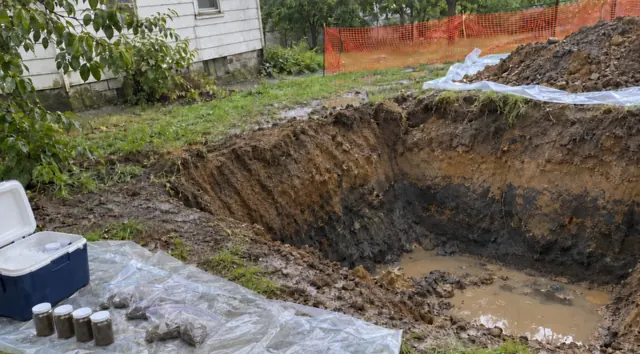
Under Rule 391-3-15-.11, Georgia adopts the federal closure rules in 40 CFR Part 280, Subpart G. EPD's tank closures page says the owner must submit the Closure Activity Form (GUST-29) at least 30 days in advance, for tank removal or closure in place. The current form says the work must take place within 90 days of the proposed closure date. For closure in place, the tank is emptied, cleaned and filled with an inert solid such as sand, foam or grout, and water does not qualify. A site assessment for a release is required before closure is complete, and EPD's closure guidance sets the soil and groundwater samples. If results show petroleum, EPD's release page requires notice within 24 hours. The rule makes the closure report due within 45 days of completing closure, and EPD's guidance asks for it within 30 days of receiving the lab data. A substandard tank temporarily closed for more than 12 months must be closed under 40 CFR 280.70 unless EPD grants an extension after a site assessment.
The Georgia Underground Storage Tank (GUST) Trust Fund does not pay for a tank closure. EPD's closure guidance says closure activities are not reimbursable. The fund pays after a petroleum release from a regulated tank, and only for owners or operators who choose to participate and pay the Environmental Assurance Fee on fuel. Under Rule 391-3-15-.13, coverage for release response, corrective action and third-party claims stops at $1 million per occurrence. The participating owner pays the first $10,000 per occurrence, and the fund does not pay to replace or retrofit tanks or piping. Payment generally waits until corrective action is complete under an EPD-approved plan. For what changes the scope of a job, see closure in place versus UST removal.
A home heating oil tank used on the premises falls outside Georgia's UST rules, so EPD's GUST-29 notice, sampling and closure report steps do not apply to it. EPD sends heating tank questions to the local fire department, city or county government, or EPA. In Marietta, the fire department's fuel tank checklist covers tank removal and tank abandonment, and says to permit each tank separately. For a UST, it asks for a filed GUST-29 Closure Activity Form and a copy of the soil analysis. EPD's closure guidance names no state license or contractor list for UST removal. The 2024 closure report template requires a Georgia-registered professional engineer or geologist to sign for any boring or monitor well taken to groundwater. Before hiring, ask who will collect the samples and who will sign the closure documentation.