
Environmental Remediation Contractors in DC

Find environmental remediation contractors in Washington, DC for soil cleanup, groundwater treatment, and contaminated site closure. Serving Capitol Hill, Georgetown, Anacostia, and neighborhoods across the District.

Browse DC Contractors →

What to Know About UST Remediation in DC

DC environmental remediation contractors must answer to one citywide regulator. Unlike states with county or municipal layers, the District handles all underground storage tank oversight through a single agency, the DC Department of Energy and Environment (DOEE), which runs the DC UST Program. Any confirmed release at a tank site in Washington triggers DOEE corrective action requirements, from initial reporting through site closure. Most projects begin with a Phase I ESA before any excavation, since lenders and buyers in the District routinely demand documentation of prior fueling use. Commercial properties, former gas stations, and federal-adjacent parcels make up the bulk of cleanup work here.
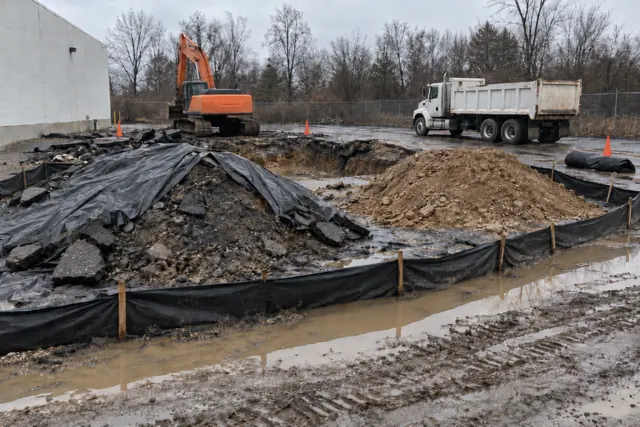
Remediation demand in the District clusters where old fueling infrastructure meets redevelopment pressure. Anacostia and the Southeast quadrant carry a legacy of former gas stations and fleet yards now being converted to housing and retail, which surfaces buried contamination during demolition. Georgetown and the Northwest neighborhoods see heating oil legacy contamination under older rowhomes and institutional buildings. Capitol Hill projects often involve parcels where tank records are incomplete or predate current reporting rules. The District's compact footprint means cleanups frequently happen on tight urban lots bordered by occupied buildings, and groundwater sits shallow near the Anacostia and Potomac rivers, so river-proximity sites face stricter monitoring than inland parcels.

Cleanup costs in DC run higher than the national average because of dense urban access constraints and premium disposal logistics. Minor petroleum contamination at a former tank site typically runs $15,000 to $60,000, while significant groundwater plumes near the Anacostia waterfront can exceed $100,000. Soil sampling and laboratory analysis usually add $500 to $2,500 per location, and contaminated soil disposal carries elevated trucking costs since there is no in-District landfill for petroleum-impacted material. Tight lots in Georgetown or Capitol Hill drive equipment costs up because crews cannot stage freely. The District does not operate a petroleum cleanup trust fund, so DC property owners generally fund corrective action through private pollution insurance or out of pocket, which makes accurate upfront scoping essential.

The typical DC remediation project moves through reporting, site characterization, a cleanup plan, active treatment, and a DOEE closure decision. After a release is confirmed, contractors submit a corrective action plan to DOEE and cannot begin major excavation until it is reviewed. Field crews working on petroleum-impacted soil in the District must hold current HAZWOPER training under federal OSHA standards before entering contaminated excavations. Closure can take several months once clean confirmation samples are submitted, and groundwater cases may require quarterly monitoring for a year or more. Before hiring, DC property owners should ask each contractor to confirm DOEE filing experience, current safety certifications, and a written soil-disposal scope, since that line item is where District budgets most often blow up.

Scoping cleanup work? You can calculate soil excavation volume and disposal costs with our free calculator before requesting quotes.

Environmental Remediation Contractors in DC

Browse contractors, see contact details, and request free quotes.

Browse DC Contractors →

Frequently Asked Questions

Do remediation contractors in DC need special certification?

There is no single DC remediation license, but contractors must follow DOEE corrective action rules and meet federal worker safety standards. Crews handling contaminated soil and groundwater are required to hold HAZWOPER certification under federal OSHA rules. The firm overseeing the cleanup files plans and reports directly with DOEE, so DC project experience matters more than a specific state card. Many qualified contractors also carry professional geologist or engineer credentials for site characterization. Ask any contractor to show recent DC closure approvals before hiring.

How much does environmental remediation cost in DC?

Most petroleum cleanups at former tank sites in the District run $15,000 to $60,000, depending on contamination extent. Larger groundwater plumes, especially near the Anacostia and Potomac rivers, can push past $100,000. Soil sampling adds roughly $500 to $2,500 per location, and disposal of impacted soil costs more here because it must be trucked out of the District. Tight urban lots in neighborhoods like Capitol Hill raise equipment and staging costs. Because DC has no state petroleum cleanup fund, owners usually carry these costs through insurance or directly.

How long does a DC remediation project take?

Timelines vary with contamination severity and DOEE review pace. A straightforward soil cleanup with clean confirmation samples can close in three to six months. Cases involving groundwater contamination often require quarterly monitoring for a year or longer before DOEE issues a closure decision. The corrective action plan review itself adds several weeks at the front of the project. Owners should plan for a multi-month process rather than a quick fix.

Does DC have a cleanup fund to help pay for remediation?

No, unlike many states, the District does not operate a petroleum storage tank cleanup trust fund. DC property owners and operators generally cover corrective action through private pollution liability insurance or out of pocket. This makes early budgeting and accurate site characterization especially important, since there is no reimbursement backstop. DOEE still oversees the cleanup and closure process, but the financial responsibility falls on the responsible party. Confirm your insurance covers petroleum releases before a release is ever discovered.

What happens during a UST site cleanup in DC?

The process starts when a release is reported to DOEE, usually after tank removal or a Phase I ESA flags prior fueling use. A contractor then characterizes the site by sampling soil and groundwater to map the contamination. Once DOEE reviews the corrective action plan, crews excavate impacted soil or install treatment systems for groundwater. Confirmation samples prove the cleanup met DOEE standards. The project closes when DOEE issues its no further action determination.

Looking for a contractor in DC?

Browse contractors, see contact details, and request free quotes.

Browse DC Contractors →

For DC UST regulations, visit the DC DOEE Underground Storage Tanks. Federal requirements are available from the EPA UST Program.

Related Services in DC

Find DC ContractorsRequest a Free Quote
Free Quotes