
Site Assessment Contractors in South Carolina
Find South Carolina contractors for environmental site assessments, Phase I ESAs, Phase II testing, and soil sampling. Serving Charleston, Columbia, Greenville, Myrtle Beach, and communities statewide.
What to Know About Site Assessment in South Carolina
South Carolina site assessments hinge on SCDES oversight. The state's Underground Storage Tank Program reviews investigation reports whenever a property carries a current or former UST, and a careful Phase I ESA is the standard first step before any soil work begins. South Carolina does not license environmental consultants directly, but SCDES expects sampling and reporting to follow its UST program protocols and ASTM E1527 standards. Commercial properties tied to former gas stations, fuel depots, and fleet yards drive most of the assessment work. Buyers and lenders rely on these reports to confirm whether petroleum contamination is present before a transaction can close. The federal requirement to measure for a release before closure is complete sits in 40 CFR 280 subpart G.
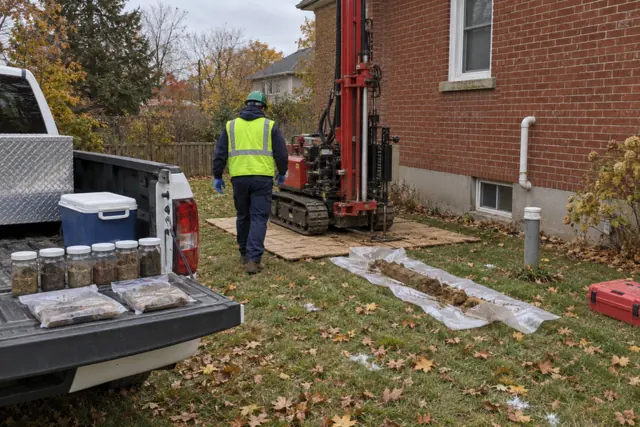
Demand concentrates where old fueling infrastructure meets active real estate. Charleston and the surrounding Lowcountry see steady Phase II ESA work tied to port-area redevelopment and high water tables that move contamination quickly through sandy coastal soils. Columbia, the Upstate hubs of Greenville and Spartanburg, and Rock Hill near the Charlotte line generate assessment requests as former service stations get redeveloped into retail and multifamily housing. Along the Grand Strand, Myrtle Beach's tourism build-out keeps environmental consultants busy investigating parcels that once held marina and roadside fuel tanks. The Piedmont's red clay holds petroleum differently than the Lowcountry's sand, so consultants adjust soil testing depth and boring counts by region rather than rely on a generic scope of work.
Costs in South Carolina track national ranges with regional adjustments. A Phase I ESA typically runs $1,500 to $4,000, while a Phase II ESA with soil and groundwater testing runs $3,000 to $10,000 depending on the number of borings. Individual soil sampling locations add $500 to $2,000 each, and Lowcountry sites often need extra borings because shallow groundwater spreads a plume faster. Sites flagged for cleanup may draw on SUPERB, the State Underground Petroleum Environmental Response Bank administered by SCDES, which can reimburse eligible owners for assessment and corrective action tied to registered tanks. Contamination found during a Phase II ESA pushes total cost well past the assessment itself, since remediation can reach $15,000 to $100,000 or more, with the final bill driven by soil results rather than the report.
Start the process by ordering a property assessment before you ever schedule drilling. The consultant reviews historical records, aerial photos, and SCDES tank registrations, then walks the site to flag fill pipes, vent lines, and staining. If that records review turns up a former UST or recognized environmental condition, the work moves to subsurface sampling, with lab results usually back in one to three weeks. Field crews handling contaminated soil should hold current HAZWOPER training, so confirm those credentials before anyone breaks ground. Before hiring, South Carolina property owners should ask whether the firm has filed SUPERB reimbursement paperwork, cleared SCDES review on similar Charleston or Greenville sites, and will put any cleanup contingency in writing before drilling.
Scoping cleanup work? You can calculate soil excavation volume and disposal costs with our free calculator before requesting quotes.
Site Assessment Contractors in South Carolina
Browse contractors, see contact details, and request free quotes.
Browse South Carolina Contractors →Frequently Asked Questions
Does South Carolina require a license to perform an environmental site assessment?
South Carolina does not issue a specific license for environmental consultants who perform site assessments. SCDES instead expects the work to follow recognized ASTM standards and its own UST program reporting protocols. The qualifications that matter are the firm's professional credentials, such as a Professional Geologist or Professional Engineer signing the report. Field staff collecting samples on contaminated sites should carry current HAZWOPER certification. Ask any consultant to show recent SCDES report approvals before hiring.
How much does a site assessment cost in South Carolina?
A Phase I ESA in South Carolina typically costs $1,500 to $4,000. If the Phase I flags a former tank or other concern, a Phase II ESA with soil and groundwater testing usually runs $3,000 to $10,000. Each additional soil sampling location adds roughly $500 to $2,000. Lowcountry sites near Charleston often cost more because shallow groundwater requires extra borings. Prices climb further if the lab results trigger a full contamination assessment and cleanup.
How long does a Phase I ESA take in South Carolina?
A standard Phase I ESA in South Carolina usually takes two to three weeks from kickoff to final report. The records review, regulatory database search, and site visit make up most of that window. A Phase II ESA adds time because soil and groundwater samples need lab turnaround, typically one to three weeks after collection. If contamination is found, SCDES review of the assessment report can extend the timeline by several months. Rush schedules are possible but usually carry a premium.
Can the SUPERB fund help pay for a site assessment in South Carolina?
South Carolina's SUPERB fund, the State Underground Petroleum Environmental Response Bank, can reimburse eligible owners for assessment and cleanup costs tied to registered underground tanks. Eligibility depends on the tank being properly registered with SCDES and the release being reported. The fund is geared toward petroleum releases from USTs, not every type of contamination. Tanks storing heating oil for consumptive use on the premises are excluded from the SUPERB definition at 44-2-20(24), so a residential heating oil job is outside the program. Owners should confirm their tank's registration status before assuming costs are covered. Some South Carolina consultants will prepare and file the SUPERB paperwork as part of their service.
What happens during a Phase II ESA in South Carolina?
A Phase II ESA moves from records review into physical sampling of the property. Crews advance soil borings and may install temporary groundwater monitoring points at locations flagged by the Phase I. In the Piedmont's clay soils around Greenville and Spartanburg, borings are often placed differently than in the sandy soils of the Grand Strand. Samples go to a lab for petroleum and chemical analysis, with results back in one to three weeks. The consultant then compiles findings into a report that SCDES and lenders use to decide whether further action is needed.
Browse contractors, see contact details, and request free quotes.
Browse South Carolina Contractors →For South Carolina UST regulations, visit the SCDES Underground Storage Tank Program. Federal requirements are available from the EPA UST Program.
