
Site Assessment Contractors in Tennessee

Find contractors in Tennessee for environmental site assessment, Phase I and Phase II ESA, soil and groundwater testing, and contamination assessment. Serving Nashville, Memphis, Knoxville, Chattanooga, and communities across the Tennessee Valley.

Browse Tennessee Contractors →

What to Know About Site Assessment in Tennessee

Tennessee environmental site assessment contractors operate under TDEC oversight. The Tennessee Department of Environment and Conservation administers the state's tank program under the Tennessee Petroleum Underground Storage Tank Act, Tennessee Code Annotated Title 68 Chapter 215. Tennessee does not license environmental consultants directly, but the division requires assessment work tied to a petroleum release to be handled by qualified professionals whose reports it will accept. Commercial properties with current or former gas stations, fuel depots, and fleet yards are the most common candidates for a Phase I ESA in this state. Lenders and buyers financing those transactions almost always require the evaluation before closing.
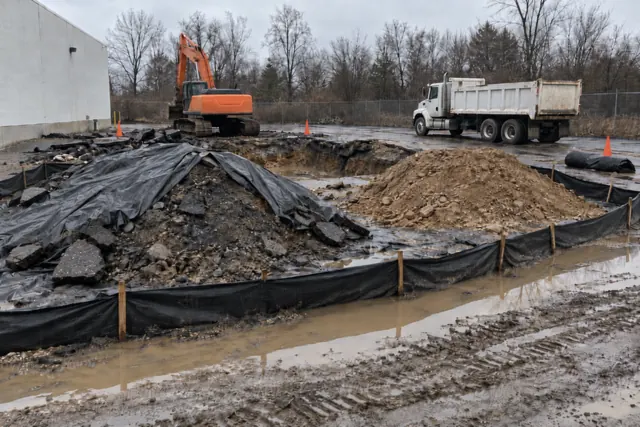
Demand concentrates along Tennessee's interstate corridors and its largest metros. Nashville's commercial redevelopment turns former fuel sites near the city core into prime due-diligence targets. Memphis drives heavy assessment activity through its river port, rail yards, and I-40 distribution warehouses, while Knoxville and Chattanooga add steady work from older downtown parcels across the Tennessee Valley. Clarksville and Murfreesboro, two of the fastest-growing cities in the state, generate assessments as farmland and light-industrial land gets rezoned for retail and housing. The Cumberland Plateau and East Tennessee's mountain terrain add complexity, because fractured bedrock and karst features move petroleum in directions that surprise firms unfamiliar with Tennessee Valley hydrogeology.

Phase I ESA pricing in Tennessee typically runs $1,500 to $4,000, depending on site history, parcel size, and how many former tank locations are involved. A Phase II ESA with soil borings and groundwater testing generally adds $3,000 to $10,000 when a recognized environmental condition turns up. Each additional sampling location runs $500 to $2,000, and sites near a former tank with documented releases cost more as the laboratory scope expands. Tennessee owners dealing with a confirmed petroleum release must meet EPA financial responsibility requirements and may qualify for the Tennessee Petroleum UST Fund, which can reimburse eligible corrective action costs after a deductible. Because the fund targets release cleanup rather than routine pre-purchase due diligence, a buyer ordering a Phase I before closing usually carries that cost directly.

The assessment process in Tennessee starts with a records search covering historical maps, prior ownership, and TDEC's tank database for the address. A Phase I ESA usually takes two to three weeks, followed by a site visit and owner interviews. If it identifies a recognized environmental condition, the Phase II ESA soil testing and groundwater testing plus laboratory turnaround add another three to six weeks. Field crews handling samples on petroleum-impacted sites should hold current HAZWOPER training, and the consultant should follow the ASTM E1527 standard so lenders accept the report. Before hiring, Tennessee owners should confirm the assessor has worked on TDEC corrective action sites, request local sample reports, and get the all-appropriate-inquiries deadline in writing.

Scoping cleanup work? You can calculate soil excavation volume and disposal costs with our free calculator before requesting quotes.

Site Assessment Contractors in Tennessee

Browse contractors, see contact details, and request free quotes.

Browse Tennessee Contractors →

Frequently Asked Questions

Does Tennessee require a license to perform environmental site assessments?

Tennessee does not issue a specific license for environmental consultants the way some states license individual assessors. Instead, TDEC reviews and accepts assessment and corrective action reports based on the qualifications of the professional who signs them. For work tied to a petroleum release, the division expects assessors with relevant environmental and geological credentials. Buyers and lenders also rely on the ASTM E1527 standard, which sets the bar for who can serve as the environmental professional. Confirm a contractor's project history before hiring rather than assuming a credential alone qualifies them.

How much does a Phase I ESA cost in Tennessee?

A Phase I environmental site assessment in Tennessee usually costs $1,500 to $4,000. Larger parcels, complicated ownership history, and properties with former fuel tanks push toward the upper end. If the Phase I uncovers a recognized environmental condition, a Phase II ESA with soil testing and groundwater sampling typically adds $3,000 to $10,000. Each extra sampling location runs $500 to $2,000. Commercial sites in Nashville and Memphis tend to price higher than rural West Tennessee parcels.

How long does an environmental site assessment take in Tennessee?

A standard Phase I ESA in Tennessee takes about two to three weeks once records access is granted. The timeline depends on how quickly municipal and TDEC records come back and whether site access is straightforward. If a Phase II investigation is needed, plan on another three to six weeks for drilling, sampling, and laboratory analysis. Lab turnaround for petroleum constituents is often the slowest step. Build extra time into a purchase contract when a property has a known tank history.

What is the Tennessee Petroleum UST Fund and does it cover site assessments?

The Tennessee Petroleum UST Fund is a state program administered by TDEC that can reimburse eligible corrective action costs after a confirmed petroleum release. It is designed for cleanup of leaking tank sites, not for routine pre-purchase due diligence. That means a Phase I ESA ordered by a buyer before closing is generally not a reimbursable expense. Once a release is confirmed and reported, the investigation and remediation that follow may qualify, subject to the fund's deductible and eligibility rules. Tank owners should confirm their registration and compliance status with TDEC, because lapses can affect fund eligibility.

What happens during a Phase II investigation?

A Phase II ESA moves from records review into physical testing of the property. Crews advance soil borings, collect samples around former tank locations and dispensers, and often install monitoring wells to check groundwater. In Tennessee's karst and fractured-bedrock areas, especially across the Cumberland Plateau and Tennessee Valley, sampling locations are chosen to account for how contamination moves underground. Samples go to a laboratory for analysis of petroleum constituents and any other suspected contaminants. The consultant then compares results against TDEC screening levels to determine whether further action is required.

Looking for a contractor in Tennessee?

Browse contractors, see contact details, and request free quotes.

Browse Tennessee Contractors →

For Tennessee UST regulations, visit the TDEC UST Program. Federal requirements are available from the EPA UST Program.

Related Services in Tennessee

Find Tennessee ContractorsRequest a Free Quote
Free Quotes